Historical Significance of Smyrna Architecture
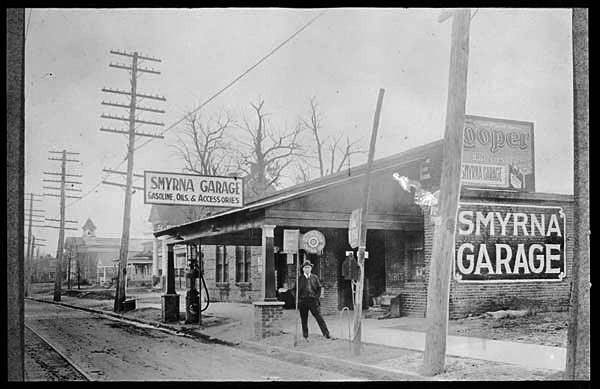
The architectural heritage of Smyrna, Georgia, is a vivid tapestry that narrates the city’s evolution from a 19th-century settlement to a modern-day suburb. The Smyrna Historical Society, deeply entrenched in the preservation of this history, provides insights into the distinct styles and structures that characterize the area. This exploration into Smyrna’s architectural legacy highlights the fusion of historical designs with contemporary needs, preserving a unique cultural identity.
Architectural Styles and Influences
Smyrna’s architectural landscape is an eclectic mix of Victorian, Craftsman, and Colonial Revival styles, each telling a story of the eras they represent. Victorian buildings in Smyrna often feature elaborate woodwork and asymmetrical designs, reflective of the prosperity during the industrial growth of the late 1800s. Moving into the 20th century, the Craftsman style gained popularity for its emphasis on natural materials and handcrafted quality, symbolizing a return to traditional craftsmanship amidst industrial expansion.
The Colonial Revival style, which became prominent in the early 20th century, is seen in numerous Smyrna homes and public buildings. This style is characterized by symmetrical facades, classical columns, and elaborate doorways, representing a desire for national identity and architectural nostalgia during America’s centennial celebration.
Preservation Efforts by Smyrna Historical Society
The Smyrna Historical Society has been instrumental in the preservation and documentation of the city’s architectural heritage. Through educational programs and historical tours, the society fosters community engagement and awareness of the significance of preserving these historical structures. The society’s efforts have ensured that important landmarks, such as the Smyrna Train Depot and the Reed House, are not only preserved but are also accessible to the public as living museums that showcase the city’s rich history.
Particularly, the Reed House, a fine example of Georgian architecture, has been meticulously restored to its original splendor, offering a glimpse into Smyrna’s affluent past. The Smyrna Historical Society’s commitment to maintaining these sites involves continuous research, restoration projects, and advocacy for historical integrity in community development plans.
Impact on Community and Education
The architectural preservation in Smyrna serves as a cornerstone for educational initiatives. Schools and community groups often participate in tours and programs that highlight the architectural styles, historical significance, and restoration processes of local landmarks. These activities not only educate but also instill pride and a sense of ownership among residents, ensuring that the legacy of Smyrna’s architecture will continue to be appreciated and preserved by future generations.
Moreover, the Smyrna Historical Society’s efforts to integrate architectural history into community events allow for a broader public understanding of the importance of heritage conservation. These events often include workshops, lectures, and exhibitions that attract a wide audience ranging from architecture aficionados to students and families. For more insights into the role of women in shaping this heritage, explore the Highlighting Women in Smyrna’s History for Women’s History Month.
Take Action Today
To truly appreciate and contribute to the preservation of Smyrna’s historical architecture, engaging with the Smyrna Historical Society’s programs is invaluable. By participating in historical tours, attending educational programs, and supporting community events, individuals can play a crucial role in sustaining the architectural heritage that makes Smyrna unique. For more information on how to get involved, contact the Smyrna Historical Society at (678) 631-5424 or via email at smyrnahistoricalsociety@gmail.com.